
War leaves not only physical but also deep psychological wounds. Many people hide their pain behind the usual “I’m fine,” although in reality they are experiencing stress, loss, and inner despair. This is especially true for soldiers returning from the frontline. To help them and other vulnerable groups, the Empower Ukraine project, implemented by the “League of the Strong”, operates in the Ternopil region. The project includes humanitarian aid, psychological support, and rehabilitation.
Psychological trauma that cannot be ignored
According to clinical psychologist Liubov Kachura, people often do not notice or do not want to recognize their own psychological problems. They may mask their feelings by saying that they are “fine”.
“When we ask: “How are you feeling?”, the answer is often the same – “fine”. It is important to see what is behind this “fine”. This is what requires knowledge, skills, and concern,” the expert explains.
This is especially true for the military. They return home, but often face irritability, impulsive behavior, sleep problems, and apathy. For civilians, such behavior may seem strange, but it is a natural reaction of the human organism to the extreme conditions in which a person has been.
“Often people do not understand why the military is irritated, does not want to communicate or complains of insomnia. For civilians, this seems abnormal, but in fact it is a reaction to the abnormal circumstances in which they were,” Liubov Kachura emphasizes.
Training for doctors and psychologists
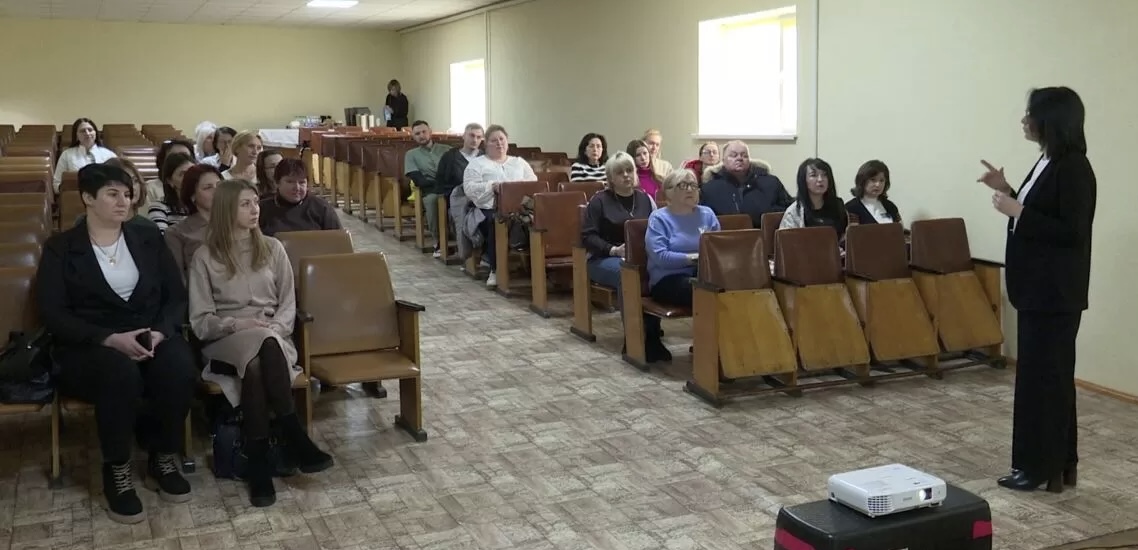
To better recognize the signs of stress and trauma in veterans, primary care physicians and psychologists need to learn how to spot even the smallest symptoms. For this purpose, the Bilche-Zolotets Hospital and Rehabilitation Center organized a special training for family physicians, therapists, clinical and medical psychologists.
“You need to communicate more with the patient, ask about their psychological state, and pay attention to the symptoms. This will help to properly refer a person to a psychiatrist or psychologist,” says Alina Harazda, family physician.
Empower Ukraine project: supporting vulnerable groups
The training is one of the activities of the Empower Ukraine project implemented by the League of the Strong in cooperation with the European Disability Forum. It aims to improve access to rehabilitation services, including psychological assistance, for vulnerable groups in six regions, including Ternopil.
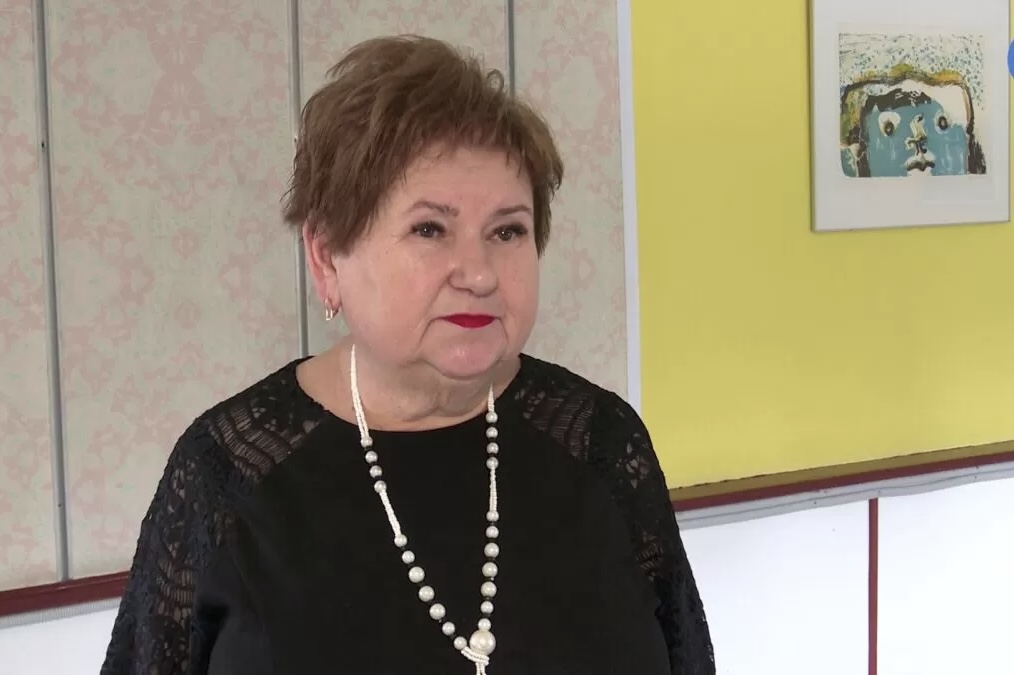
Svitlana Demchuk, the project’s regional coordinator, notes that the initiative works not only with the military but also with people with disabilities, internally displaced persons, and residents of war-affected communities.
“As coordinators, we have undergone many trainings on safety, interaction with beneficiaries, and proper behavior, because these people are very vulnerable, especially the military,” – Svitlana Demchuk explains.
Help that changes communities
The Empower Ukraine project aims not only to help people, but also to transform communities by making them more accessible and inclusive.
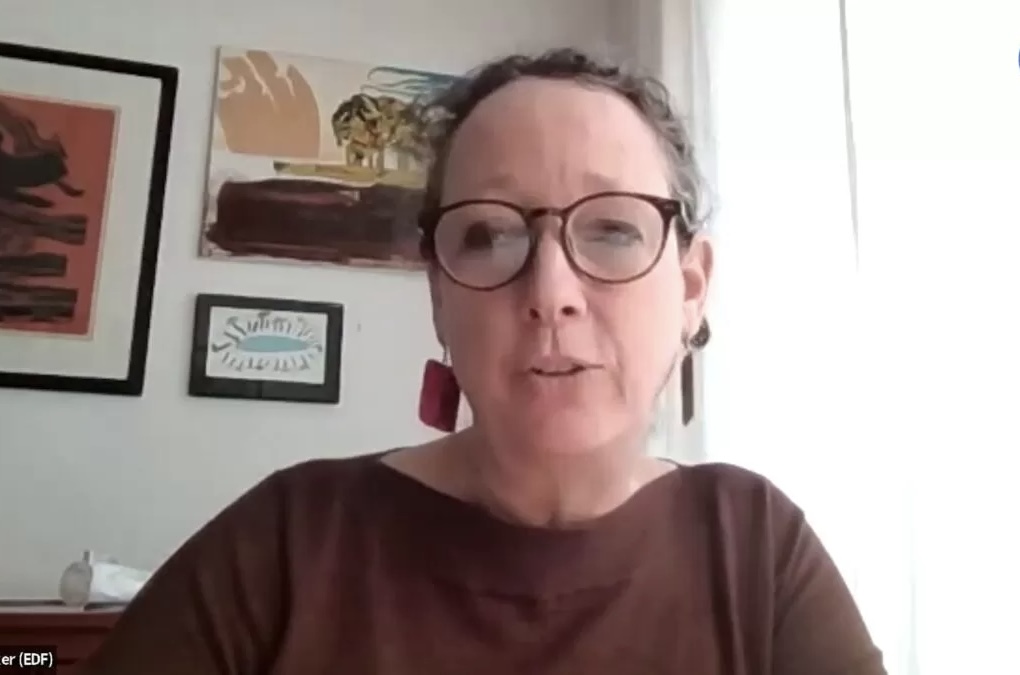
“Our mission is to ensure the full integration of people with disabilities into society. This includes monitoring the implementation of the UN Convention on the Rights of Persons with Disabilities. We strive to create a Europe and a world where people with disabilities are fully integrated into society,” says Philippa Tucker, project manager.
The project provides financial assistance, assistive devices (wheelchairs, canes, crutches), and training in providing inclusive psychological assistance.
“We provide financial assistance, assistive devices, training, and advocate for more inclusive humanitarian aid in Ukraine,” Philippa Tucker adds.
Results of the Empower Ukraine project
11 500+ people received financial support and assistive devices.
7500 people received psychological assistance.
802 doctors, social workers, and psychologists were trained in psychosocial first aid.
9 trainings for medical and social workers with 222 participants.
17 advocacy trainings and seminars for local governments.
The project continues its work to make communities more inclusive and people more resilient to the challenges of war.
This material was produced with the financial support of the German Federal Foreign Office (GFFO), CBM and the European Forum of People with Disabilities. The views expressed in this material are those of the authors and therefore can in no way be taken to reflect the official opinion of the funding partner and the European Disability Forum.