
As part of the “SAFE” project, civil society organisations that have received sub-grants from the “The League of the Strong” continue to expand their support for people with disabilities and their families. They are launching new social services, creating accessible spaces, developing supported living schemes, introducing psychological support, educational programmes and employment support, and strengthening their own capacity. We report on the initial results of the work carried out by two organisations — the NGO “Family for People with Disabilities” and the NGO “Workshop of Dreams”.
Alongside its support for civil society organisations, “The League of the Strong” is implementing a number of its own initiatives as part of the “SAFE” project. In particular, it is implementing accessibility solutions in communities, coordinating the provision of cash vouchers to people with disabilities, and working to ensure that humanitarian aid and social services are accessible to everyone who needs them. At the same time, partner organisations are developing their own services, tailored to the needs of their communities.
Sub-grantees’ activities in figures as at 1 July 2026
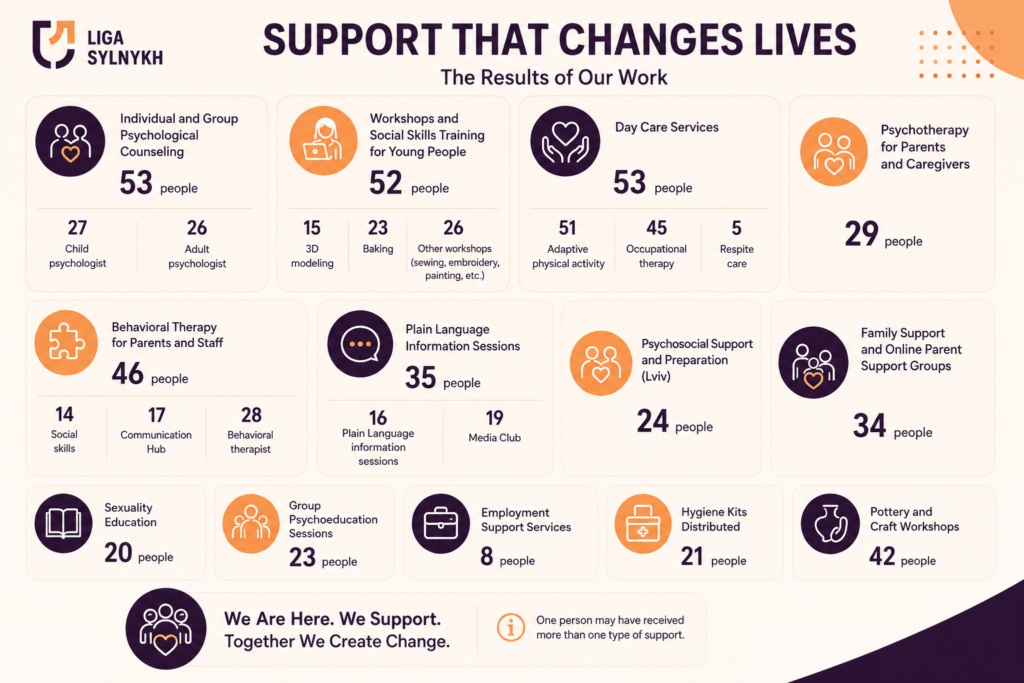
NGO “Family for People with Disabilities”: comprehensive support for families and the development of new services
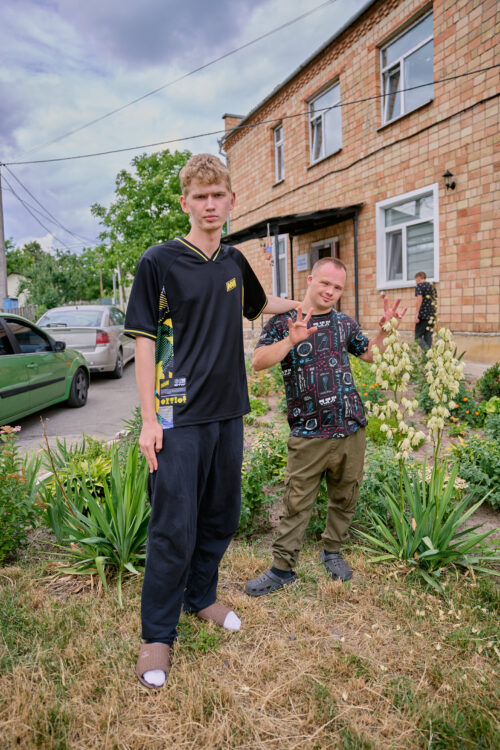
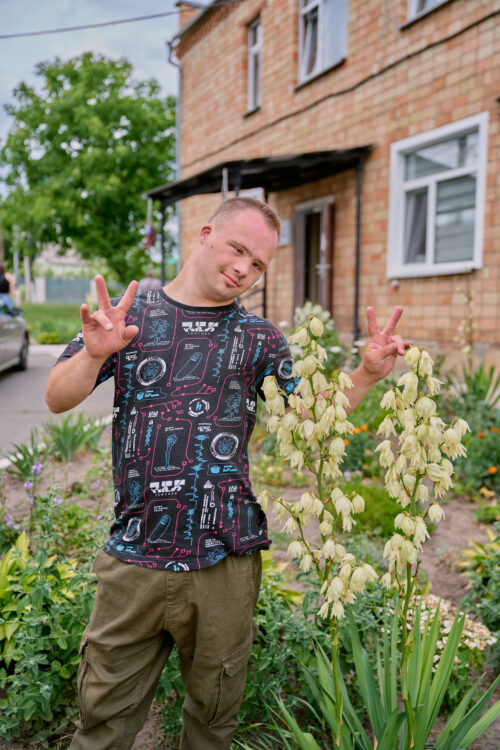
“Family for People with Disabilities” operates in Kyiv and the Fastiv community, providing comprehensive support for people with intellectual and multiple disabilities, as well as their family members. The organisation implements initiatives aimed at improving access to essential services, creating safe living conditions and developing opportunities for independent living.
Thanks to support from the Help localisation programme, the organisation has expanded its support for children, young people and adults with disabilities and their families. In particular, it is developing new social services, improving the facilities where these services are provided, and creating more opportunities for education, supported living and employment.
Improvements to the support facilities
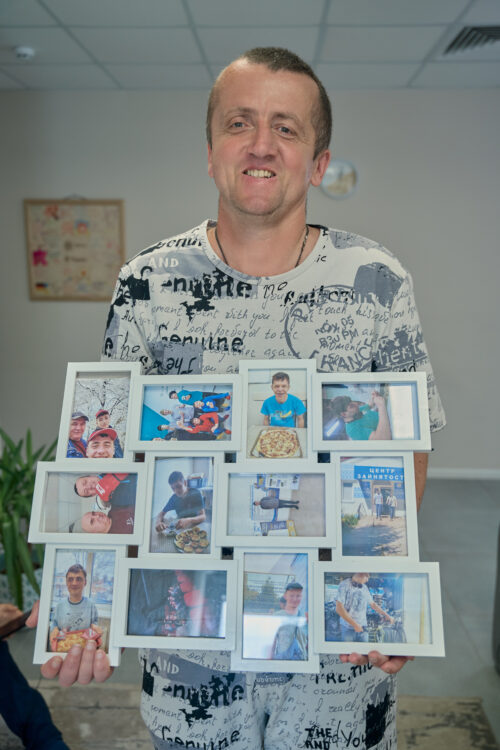
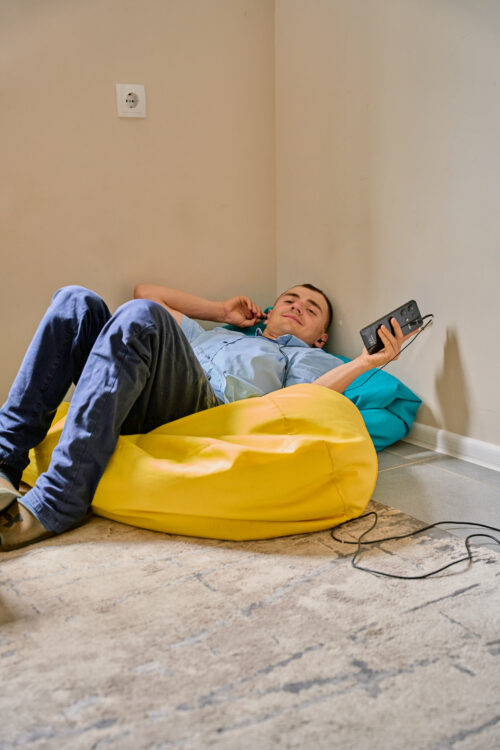
The inclusive centre for young people with disabilities has become more comfortable for visitors. Renovation work has been carried out here, and a ventilation system has been installed in the relaxation room.
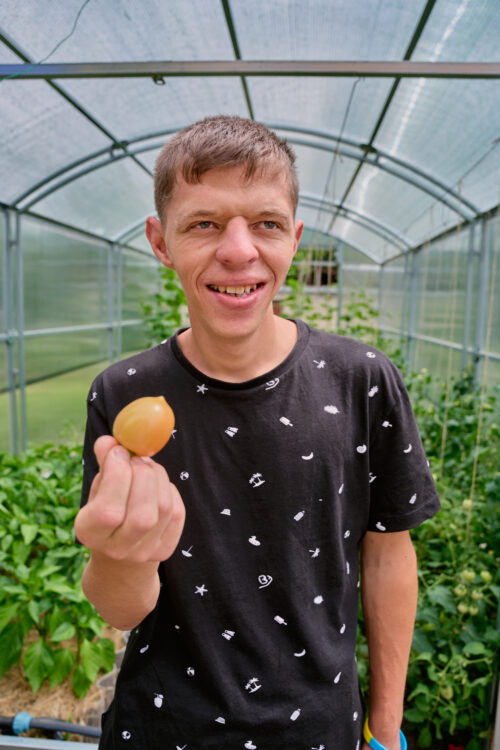
At the same time, the organisation has set up a training greenhouse at the supported living home. A dedicated staff member has already been appointed to run it, who will help participants gain practical skills.
Employment support has become a separate area of focus. The organisation helps residents of the supported living home prepare for work and supports them throughout the employment process.

New services for people with disabilities and their families
One of the key areas of work has been the introduction of a supported respite care service for people with disabilities.
The procurement and distribution of hygiene kits for people with disabilities and their families is also ongoing. The kits include nappies, sanitary and incontinence pads, and other essential items.

The Youth Centre as a space for development
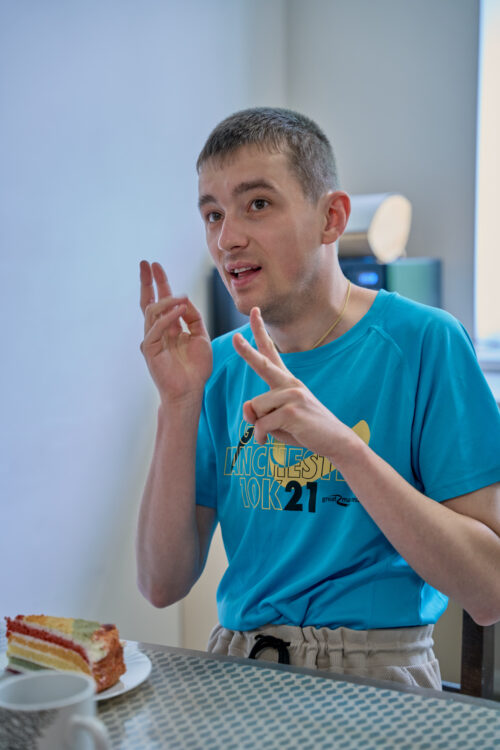
The organisation continues to provide comprehensive support to young people with disabilities, as well as to their parents and carers.
Specialists conduct psychological counselling and provide behavioural therapy services, helping to develop adaptive behaviour and everyday living skills.
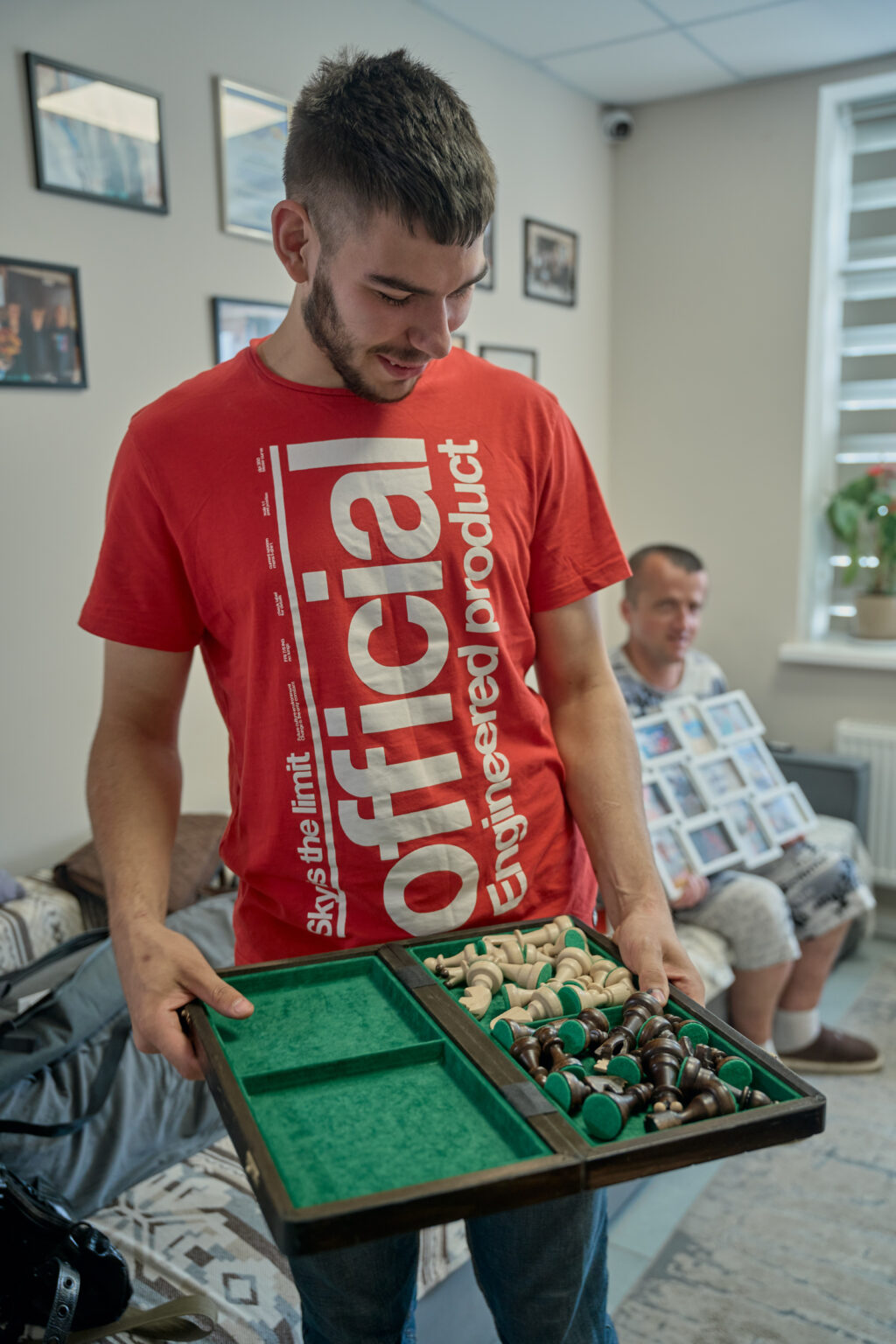
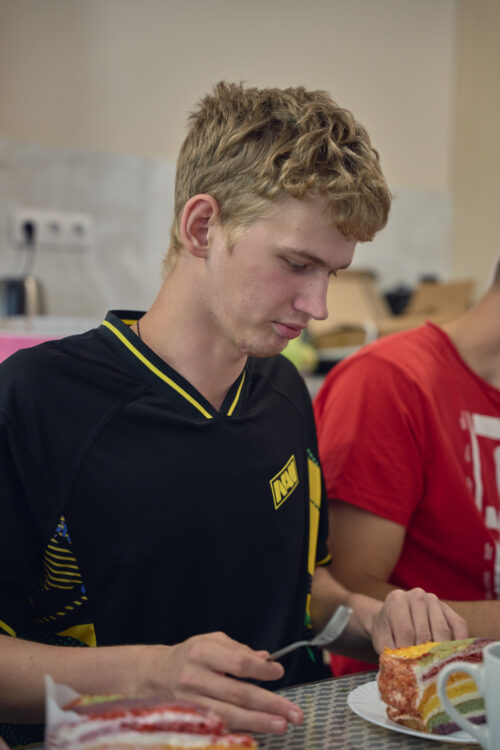
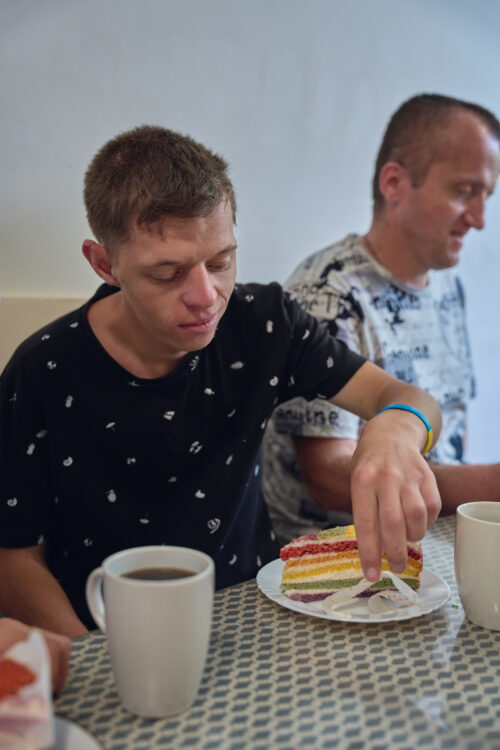
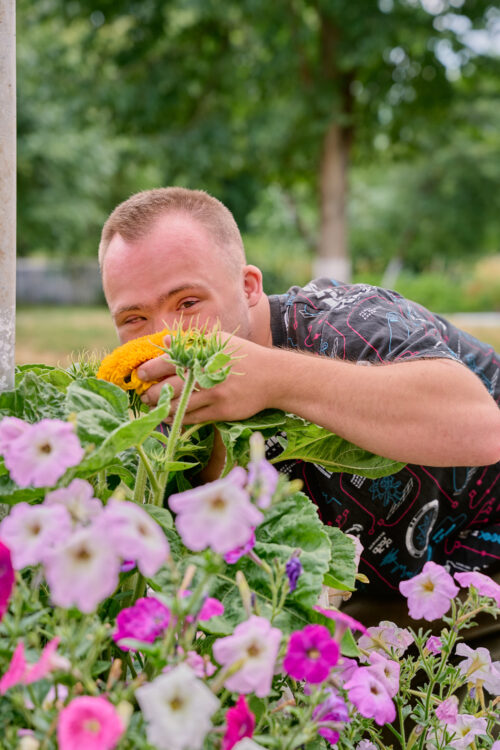
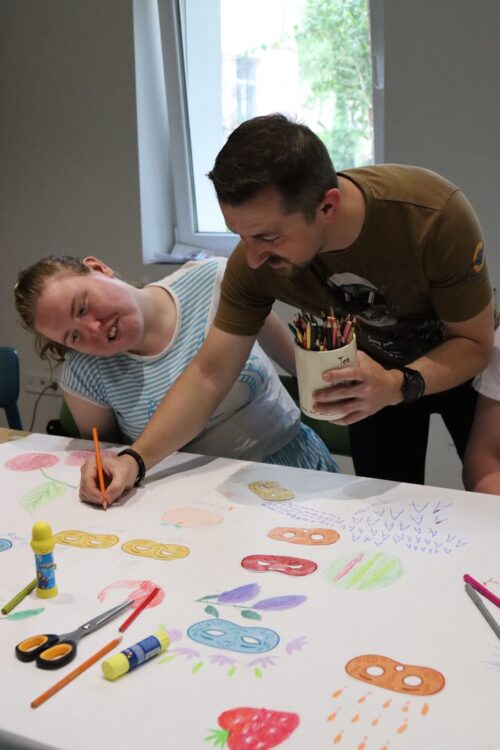
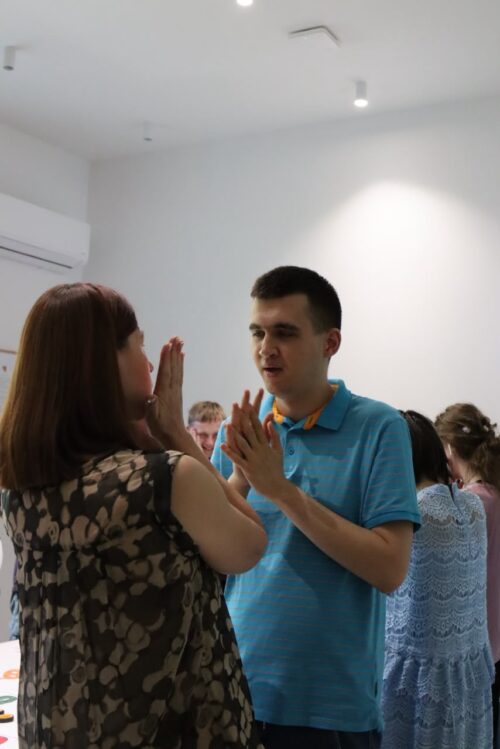
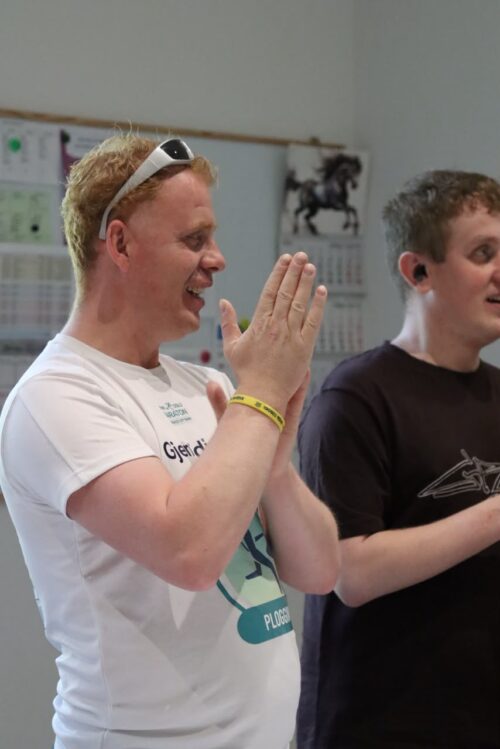
The youth centre organises regular sessions to help young people with disabilities develop practical, creative and social skills. In particular, these include occupational therapy and physiotherapy sessions, a media literacy club, practical sessions in the bakery, learning 3D modelling, working in the educational greenhouse and taking part in group sessions on social skills development.
Training sessions on sexual education and emergency response were held for specialists, whilst a training course on sexual and reproductive health was launched for young people with disabilities.
Strengthening the organisation and accessibility
The NGO “Family for People with Disabilities” is working not only on developing its services but also on its own institutional capacity.
As part of the project, the organisation has developed a fundraising strategy, conducted training sessions on monitoring and evaluating its activities, and on improving its communication strategy.
Particular attention was paid to the accessibility of information. Staff received training on the use of plain language and easy-to-read formats. Work has also begun on creating a plain-language page on the website, and the organisation’s four key documents have already been translated into easy-to-read formats.
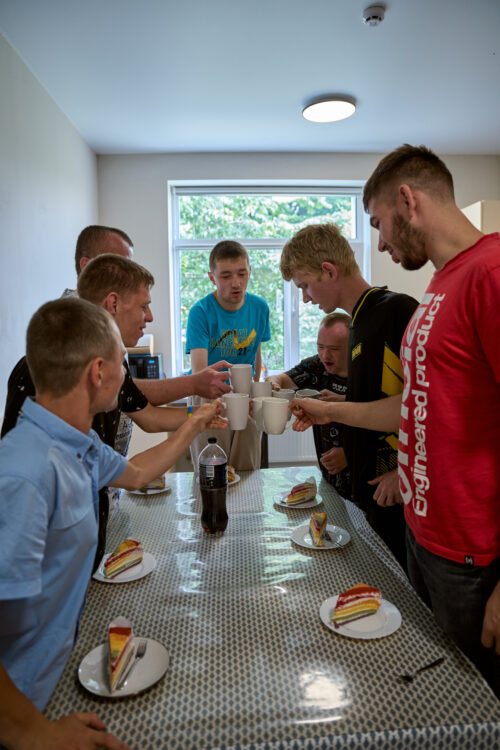
A service that helps the whole family
The respite care service provides support not only for people with disabilities, but also for the whole family.
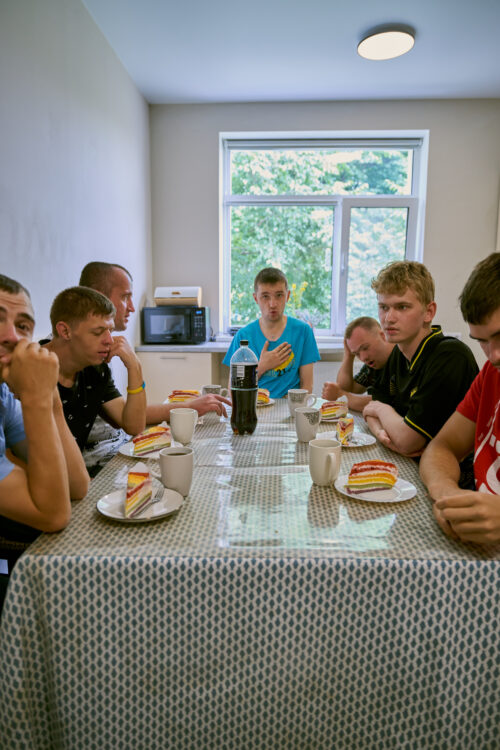
Thanks to support from the “SAFE” project, “Family for People with Disabilities” has introduced this service for families caring for an adult with a disability. It offers the opportunity to leave an adult child for a day or a 24-hour period in a safe and supportive environment, where assistants and specialists are on hand. Today in Ukraine, day care services are available for children with disabilities, but there are still very few options for temporarily leaving a person aged 18 or over.
For many families, this is not just an opportunity to free up a day or a night. It is time that can be devoted to their own health, running everyday errands, resting, or simply spending some time on their own. After all, parents who have been providing constant care for years also need support and time to recharge.
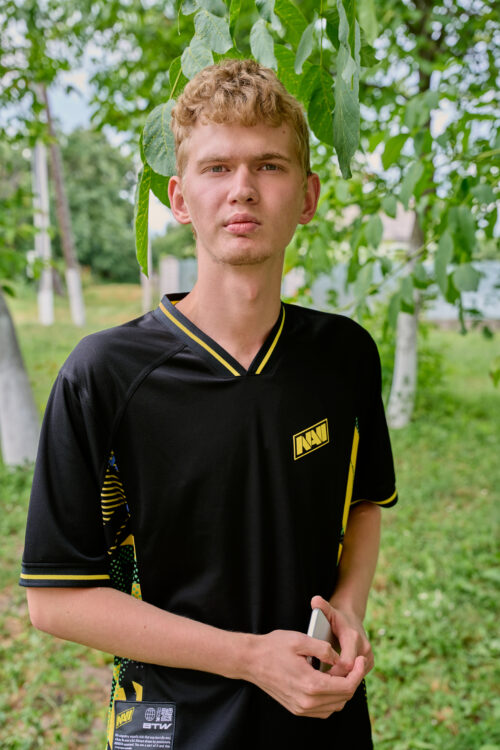
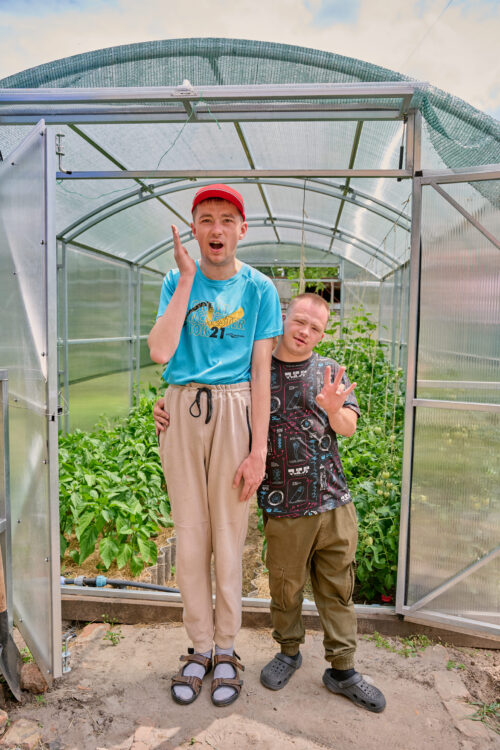
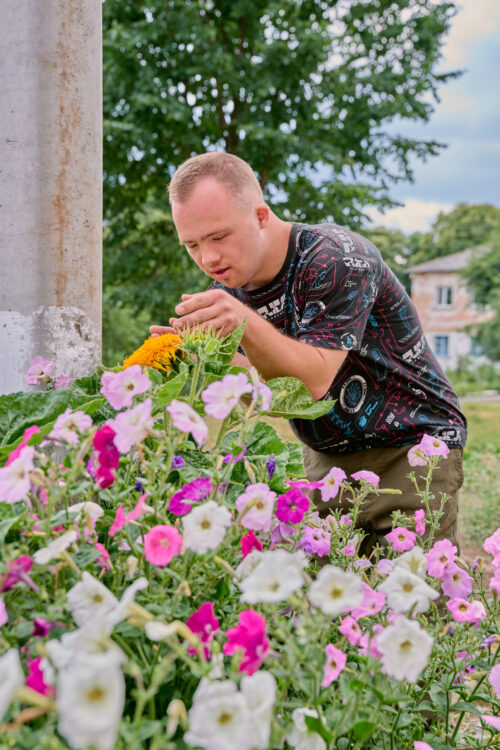
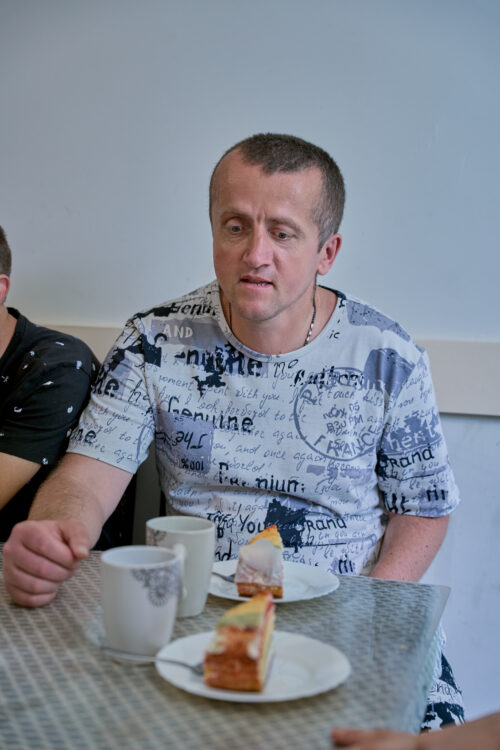
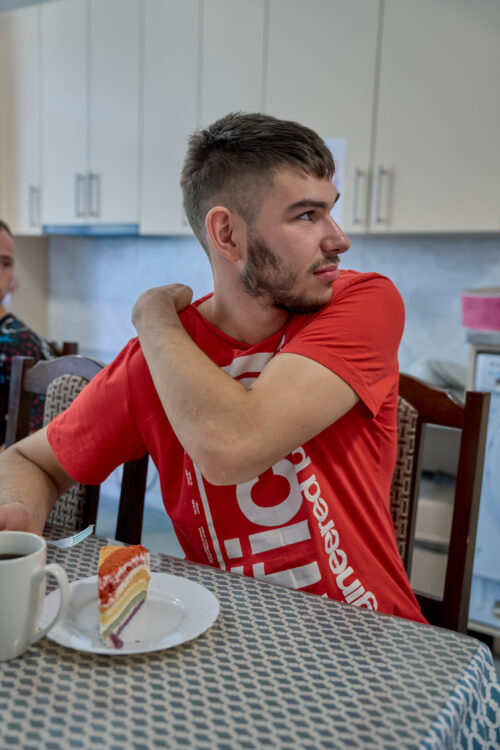
Yulia and Natalka regularly make use of the respite care service. Whilst their parents have the chance to recharge their batteries, the girls spend their time actively and meaningfully. Together with their carers, they go for walks around the city, visit museums, the cinema and public spaces, and take part in activities at the “Gornjatko Dobroty” youth centre. There, they engage in creative pursuits and physical activities, try their hand at baking, socialise with friends and feel part of the community.
During their stay at the centre, participants also develop independent living skills: they cook meals together, tidy up, organise their daily lives and practise everyday routines. The assistants do not do everything for them, but only help where necessary.
“For us, it’s a chance to catch our breath a little and know that our child is safe, doing interesting things and spending time with people who understand her,” says Yulia’s dad.
Natalia’s mum also talks about how important this support is for families who are often left to cope on their own with constant care and a heavy burden of responsibility.
“It’s also very valuable for us to see that the experience of implementing the respite care service is gradually spreading further. Today, our specialists are already being invited to share their practical experience with municipal social services that are beginning to introduce similar support services for families. We are delighted that the topic of supporting parents and developing such services is gaining wider recognition, and that successful practices can serve as an example for other communities and organisations,” commented Hanna Khvorova, chair of the board of “Families for People with Disabilities”.
The respite care service does more than just support parents. It creates more opportunities for adults with disabilities to socialise, develop skills, become more independent and lead an active life within the community.
NGO “Dream Workshop”: supporting parents and developing young people with mental disabilities
“Dream Workshop”, based in the Lviv region, is working to expand access for people with disabilities – particularly those with intellectual and mental disabilities – to support services, psychosocial assistance and environments where they can develop their skills and social interactions. Thanks to support from the Help localisation programme, the organisation has expanded its areas of work, combining support for parents, psychological support for young people, creative activities and the development of its own team.
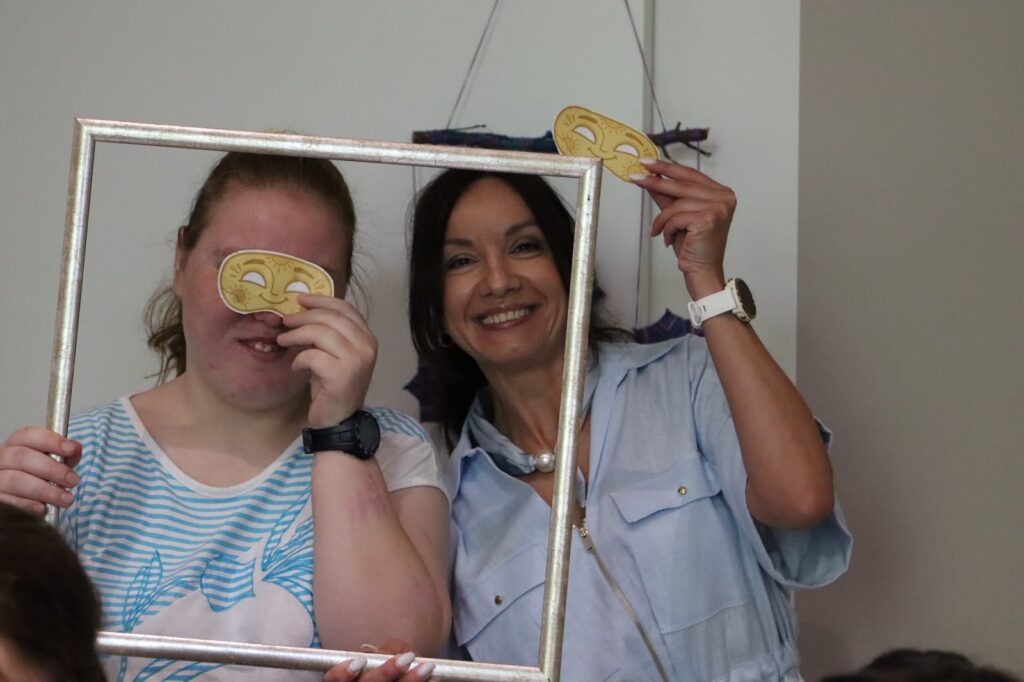
Support groups for parents: for those who have been supporting others for years
When a family is raising a child with a mental disability, parents often live in a state of constant worry. They deal with countless practical issues every day, whilst their own needs, rest and emotions are often pushed into the background. Due to a lack of understanding from society, many families also face a sense of isolation.
That is precisely why support groups for parents have become one of the project’s key areas of focus. They have evolved not merely into psychological counselling sessions, but into a safe space where people can take off the ‘mask of the strong person’ and speak honestly about their emotions. Here, there’s no need to hide your exhaustion, fears for your child’s future or your own despair — you can share your feelings, knowing that you’ll be understood and supported.
Such meetings help to overcome feelings of loneliness. When mums and dads see people around them who have had similar experiences, they realise they are not alone in facing their difficulties. Gradually, a spirit of mutual support emerges: participants exchange practical experiences, recommend specialists, share their own insights and support one another.
Support groups are not about self-pity, but about rebuilding inner strength. Psychological training helps parents not only to cope better with stress, but also to find balance, regain a sense of inner strength, rediscover sources of joy and look after themselves. After all, parents’ emotional state directly affects the well-being of the whole family.
“Our meetings are like a breath of fresh air. I look forward to them eagerly; they recharge me and inspire me. And most importantly — now I know I’m not alone…” commented one of the participants in the support groups for parents.

New activities to support young people’s development
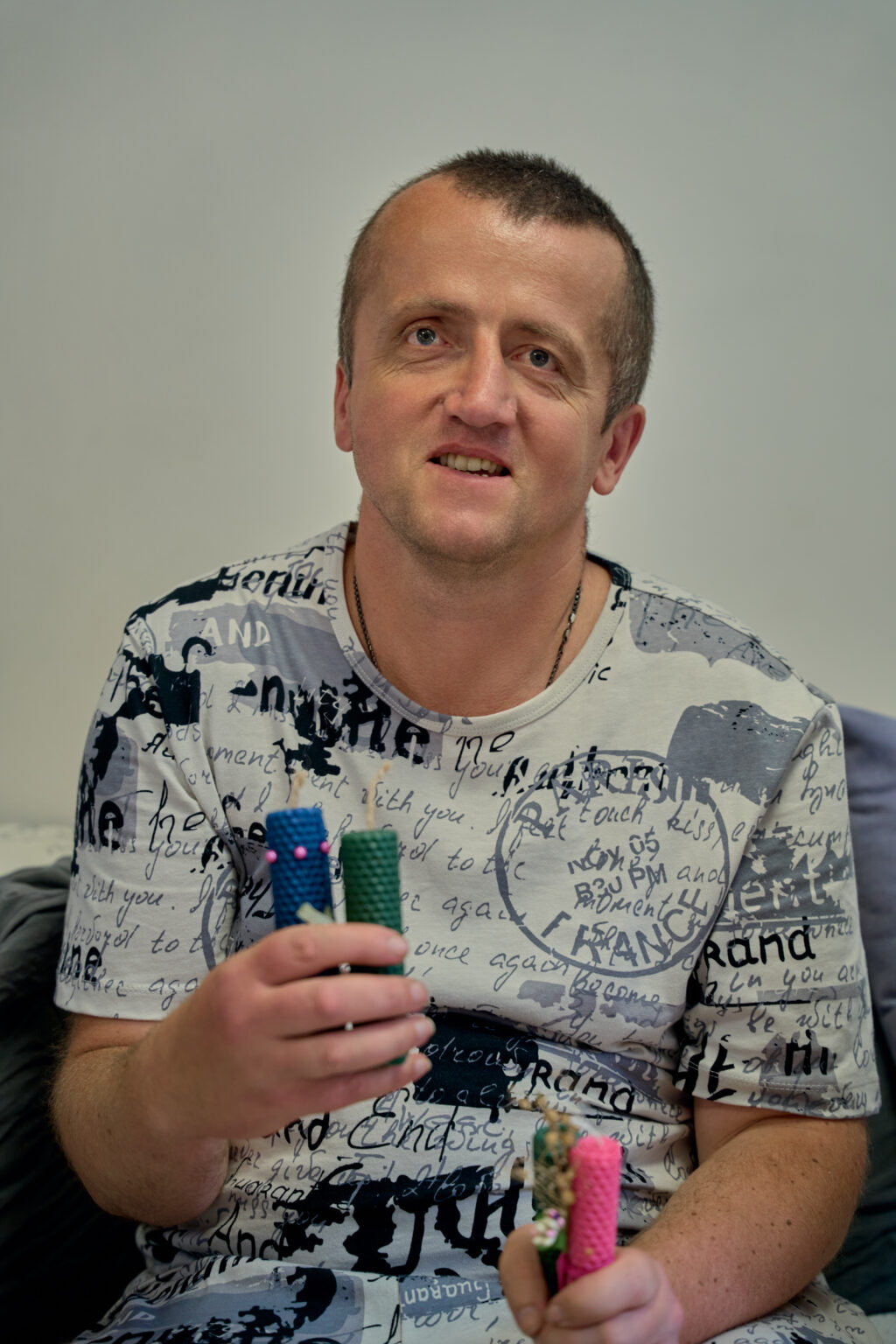
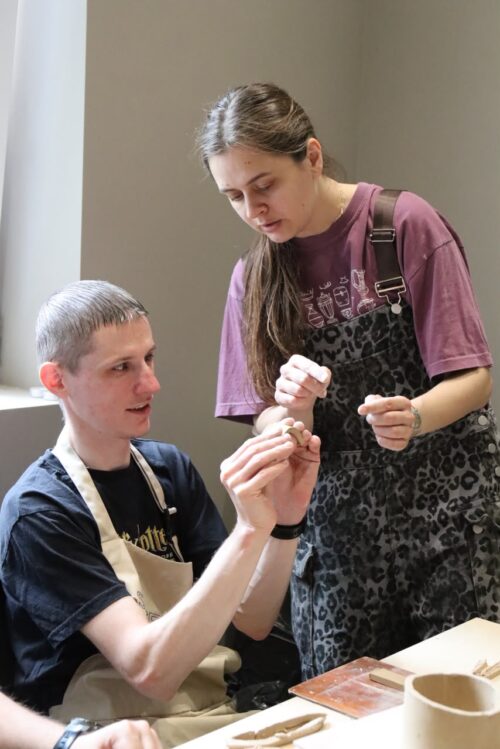
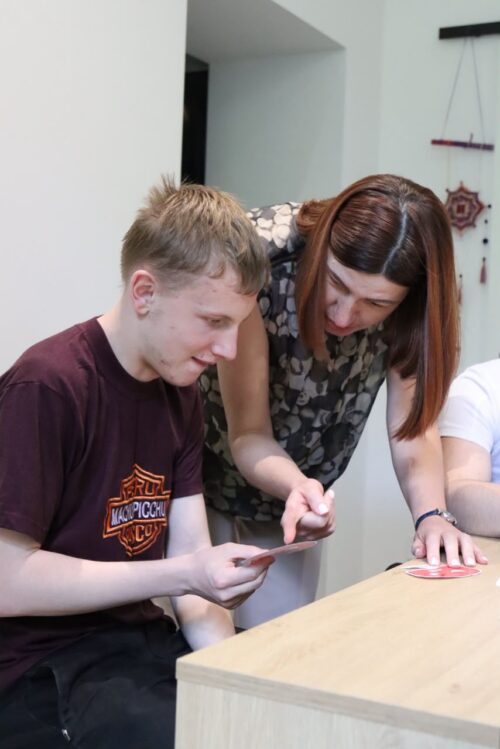
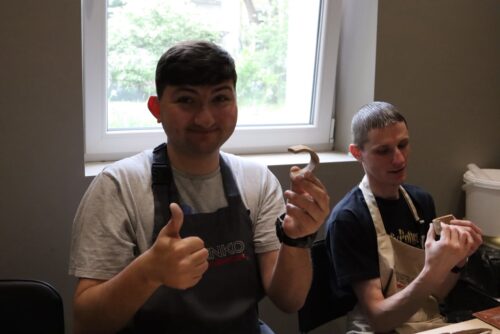
Thanks to the Help localisation programme, the ‘Dream Workshop’ has expanded the opportunities available to young people with mental health conditions. One of the new activities on offer is pottery. Working with clay helps participants develop their fine motor skills, creative abilities and self-confidence. It is a space where young people can express themselves, create their own pieces and gain new experiences.
Participants also take part in psychological training sessions. Together with a psychologist, they learn to recognise their own emotions, express them in a healthy way, cope with stressful situations, understand themselves better and interact with others. These sessions help to develop emotional resilience, communication skills and independence.
Team development to provide better support for families
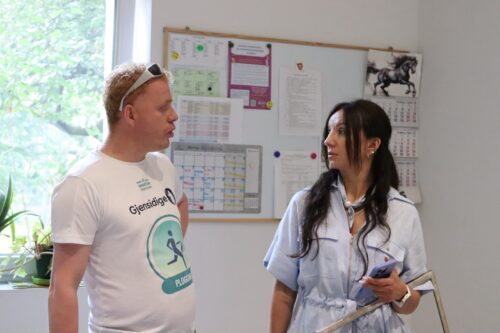
Alongside the expansion of its services, “Dream Workshop” is investing in the development of its team. Staff and mentors are receiving training in communication, organisational development, monitoring and evaluation (MEAL), and fundraising. This helps to implement modern approaches to our work, strengthen the organisation’s capacity and ensure better support for young people with mental health conditions and their families.
“The “SAFE” project has given us more than just resources — it has given us a sense of solidarity. When the situation of a mum or dad receiving support changes, the atmosphere in the whole family changes. Here at ‘Dream Workshop’, we see every day how, through cosy conversations, hands moulding clay, and the team’s continuous development, a future is taking shape where everyone feels accepted and valued. “Thank you for breathing this fresh air with us!” said Oksana Mamedova, project manager at “Dream Workshop”.
Going forward, the organisation plans to expand its creative activities, hold more socio-cultural events, develop new leisure formats and promote the more active integration of young people into community life.
We provide this service as part of the “Safe: Help and Support for All” project. This project is being implemented by “The League of the Strong” with financial support from the German Federal Foreign Office and under the coordination of Help – Hilfe zur Selbsthilfe and the Help Localisation Programme.
The Help Localisation Programme (HLF) is a global programme implemented with the support of the German Federal Foreign Office. The programme is implemented under the coordination of Help – Hilfe zur Selbsthilfe in collaboration with local and international civil society organisations and networks, working with, for and through them. The HLF supports the leadership of partner organisations and strengthens their capacity to provide high-quality, locally-oriented and sustainable humanitarian aid.