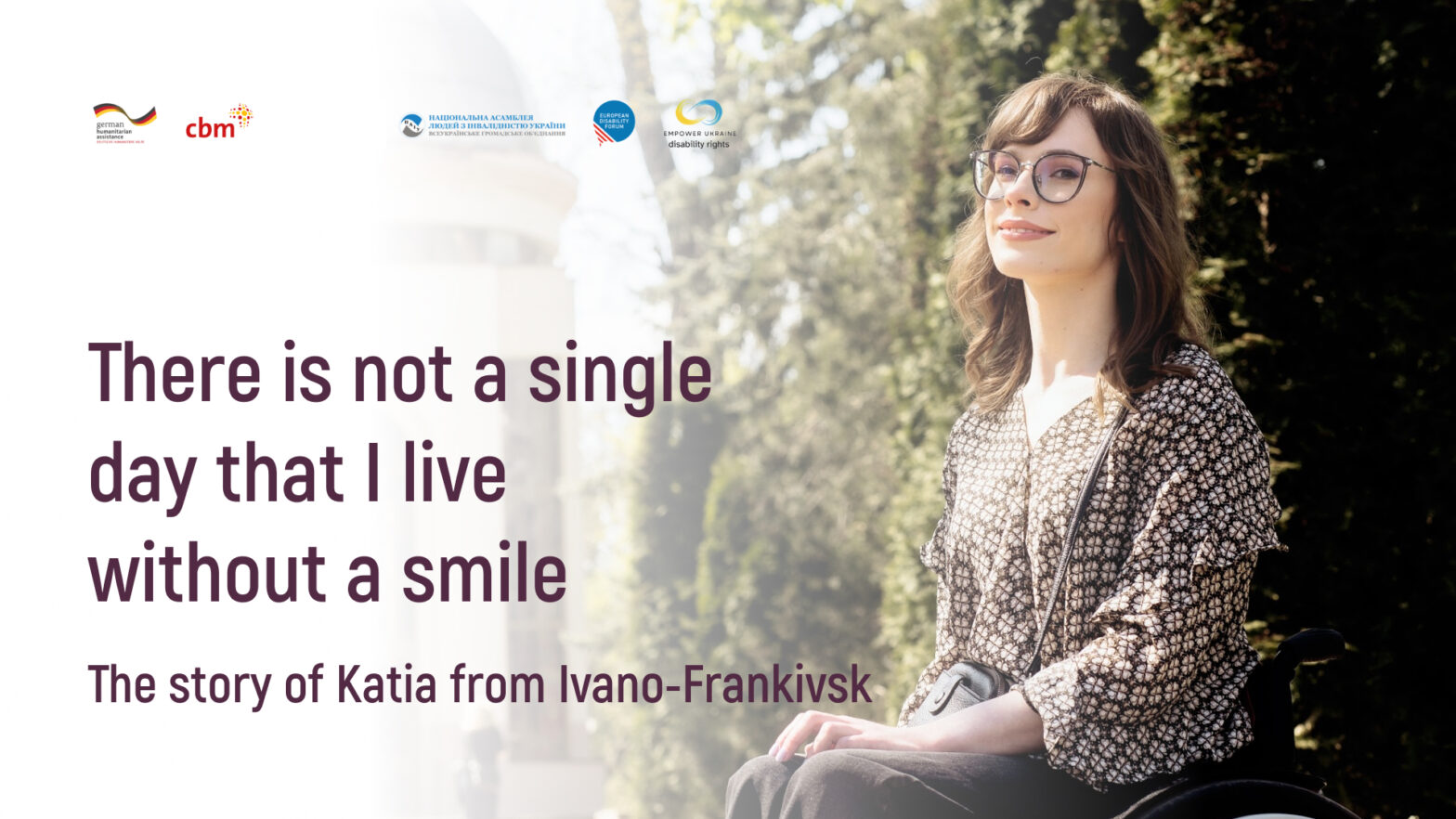
Katia doesn’t like loud words about strength — she simply chooses to move forward every day. At 26, she knows what it’s like to live with barriers and other people’s opinions, but her main support is stubborn positivity and the desire not to stop. Her story is about small victories that really change everything.
Kateryna Dyka from Ivano-Frankivsk asks to be called simply Katia when introduced. She is 26 years old. The young girl has managed to see a little of Ukraine and the world in her life, although she modestly emphasizes that bright events do not happen to her often. Since childhood, she has lived with cerebral palsy and moves around in a wheelchair.
“Whenever I’m asked to tell you about myself, I never know what to say. The thing I associate myself with the most, or my superpower, is daily positivity. I think my parents instilled this in me. As a child, they created comfortable conditions around me. Now positivity is present in my life, and I notice that there is not a single day that I live without a smile. Even when I have a bad day or I’m not in the mood, I catch myself thinking that I’m smiling,” the girl says.
Her story is an example that there are many people around who are ready to support you when you need it most.
Walks: “I want to go outside more often”
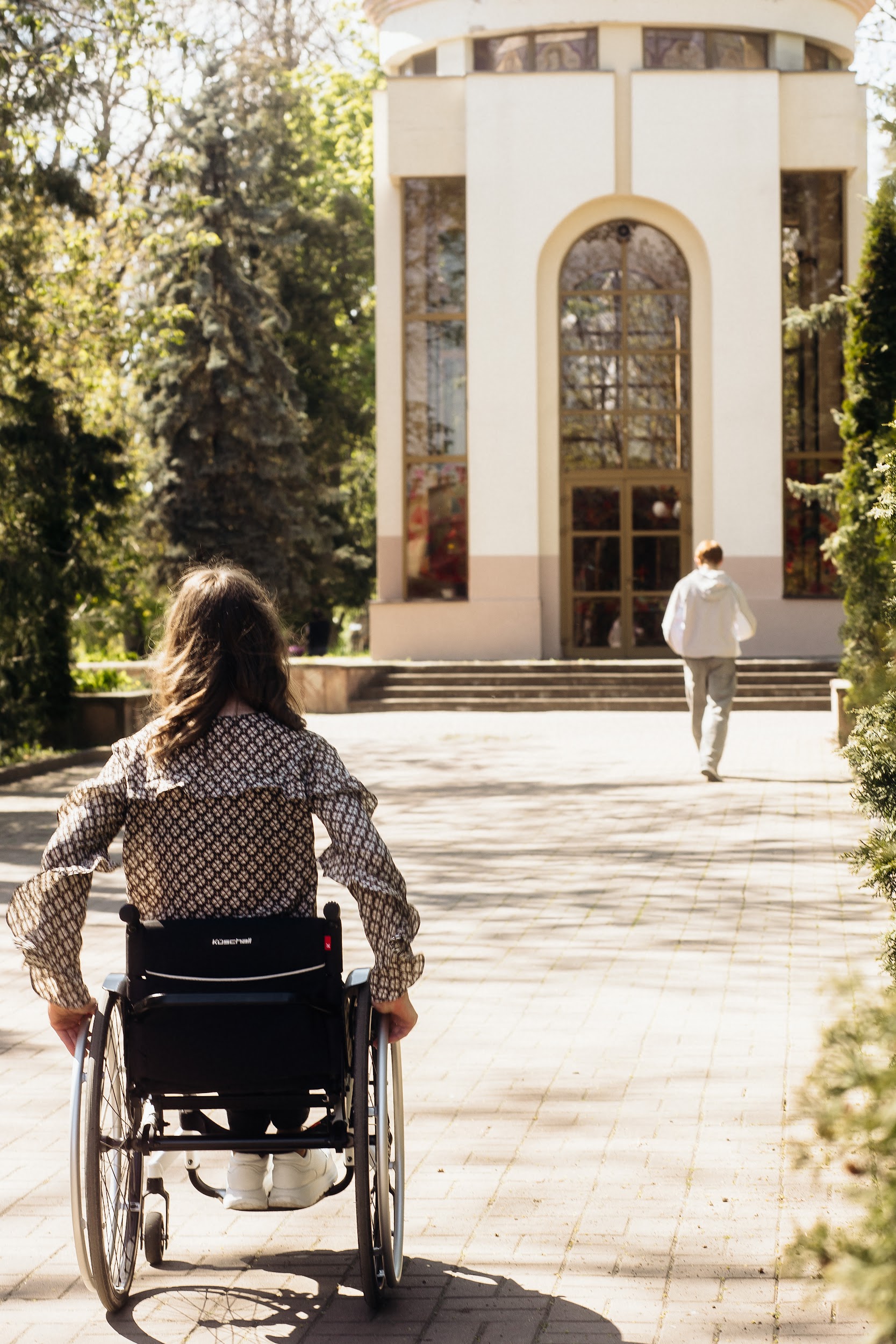
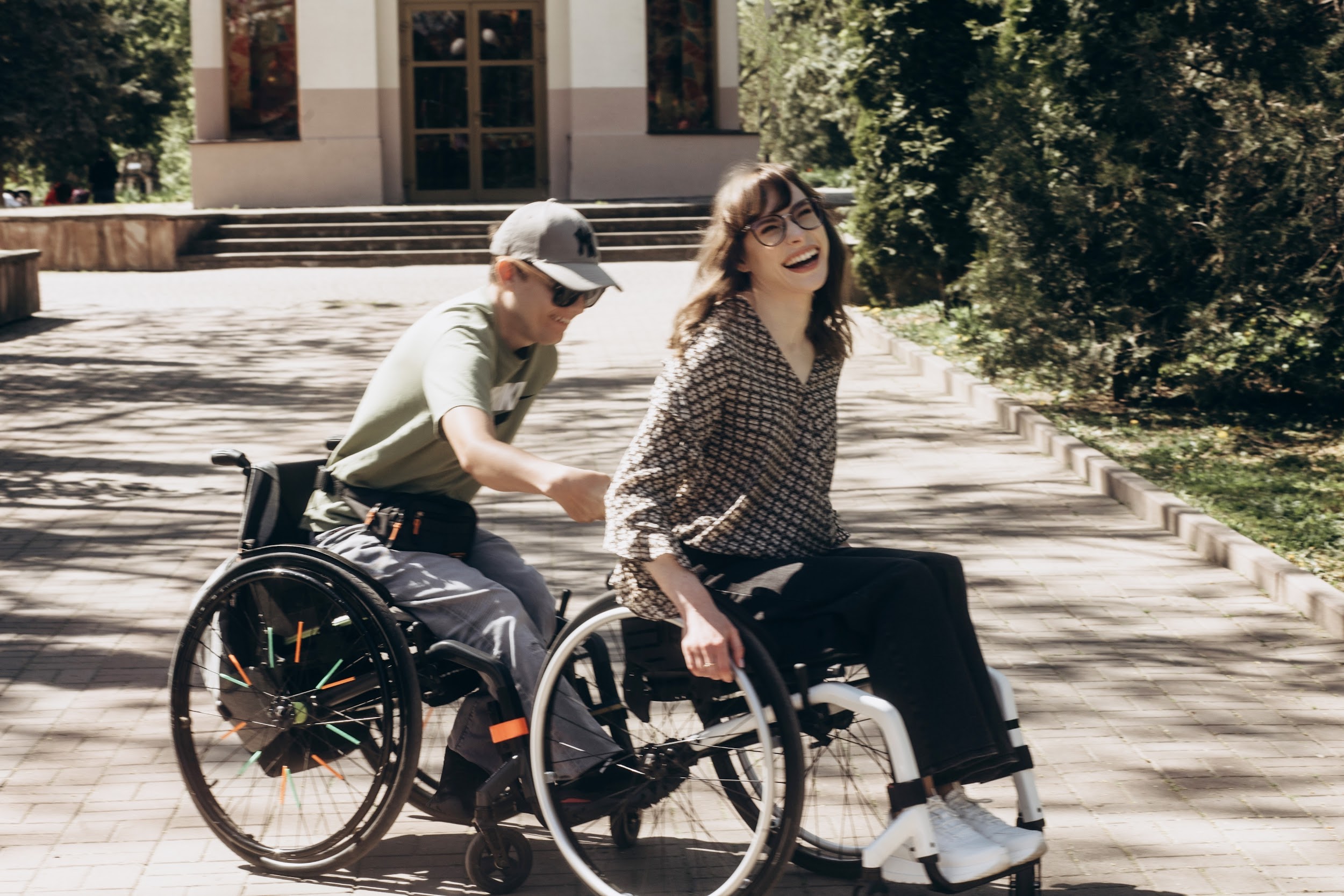
The girl tries to be active whenever possible: she walks a lot in Ivano-Frankivsk, attends events on the empowerment of people with disabilities, and participates in projects and study trips abroad with an escort. For Katia, such trips are moments of personal courage, although not everywhere the spaces are friendly to everyone. Somewhere the drainage gutters are not covered with special grates and turn into wheel traps, and somewhere there are no ramps that meet accessibility standards. But this year, the challenge for her was her wheelchair, which she really needed to replace: the old one fell apart and had been repaired a dozen times.
She says that she could only expect hospital or so-called passive care from the state, which is difficult. It was not easy for fragile Katia anyway. She dreamed of active care.
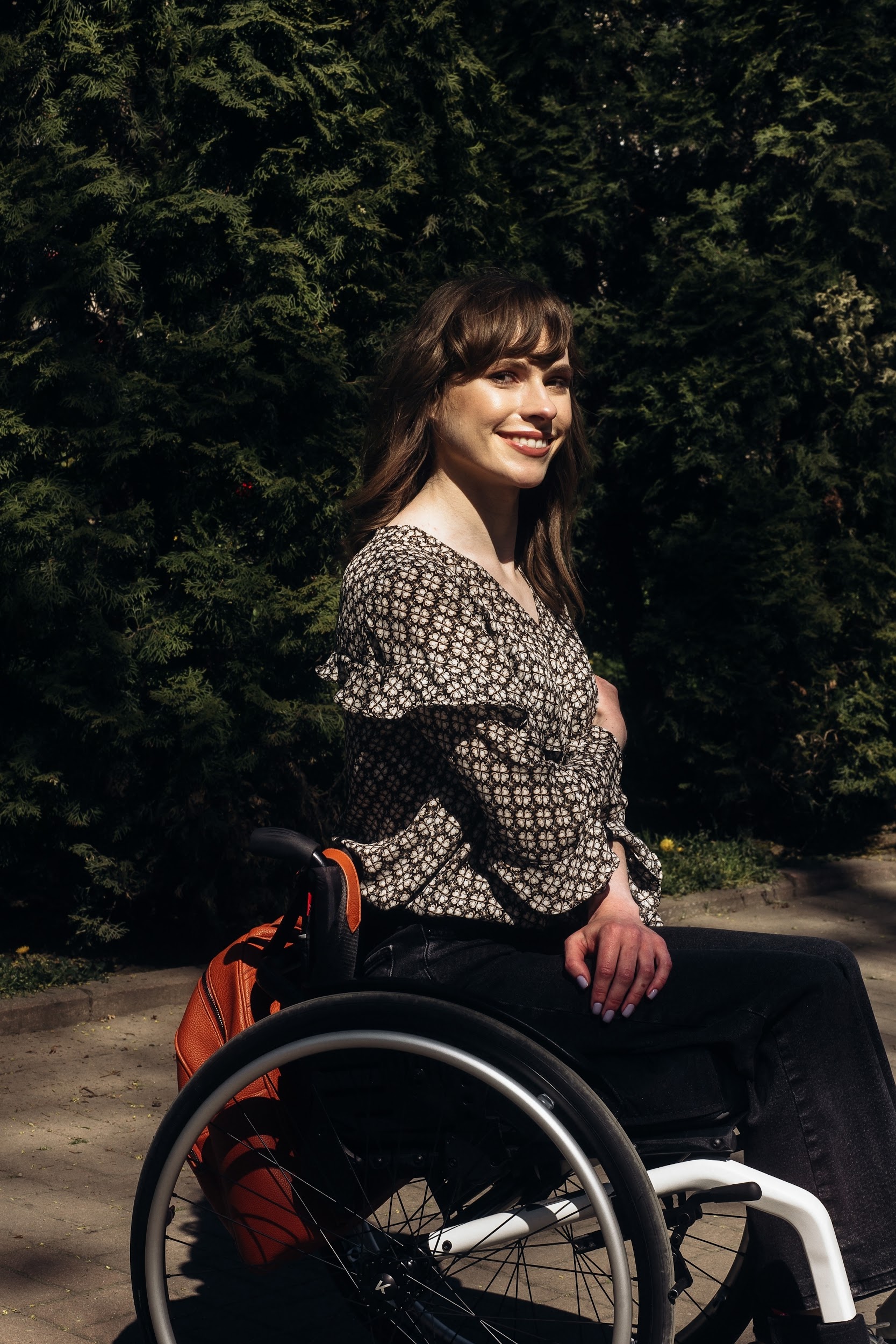
“The League of the Strong” public association managed to make the dream come true as part of the Empower Ukraine project from “The League of the Strong” public association, purchasing a Küschall K-Series model for the girl.
It is light and maneuverable. This model allows Katia to be more mobile, while a heavy hospital bed could have practically deprived her of the ability to move around the city without outside help.
“I understood in my head that they were giving it to me, but I didn’t fully believe it. I only realized that it was mine when I first drove it outside.”
Now she is learning to use the new one and understands that it will be easy for her. She adds with a smile that she only needs to turn it once and it will go much longer than before.
“This alone makes me want to go outside more often.”
In the short period since she received support, the girl has already visited the park, the city center, and the Philharmonic Hall to watch the cherry blossoms bloom.
How Katia started writing
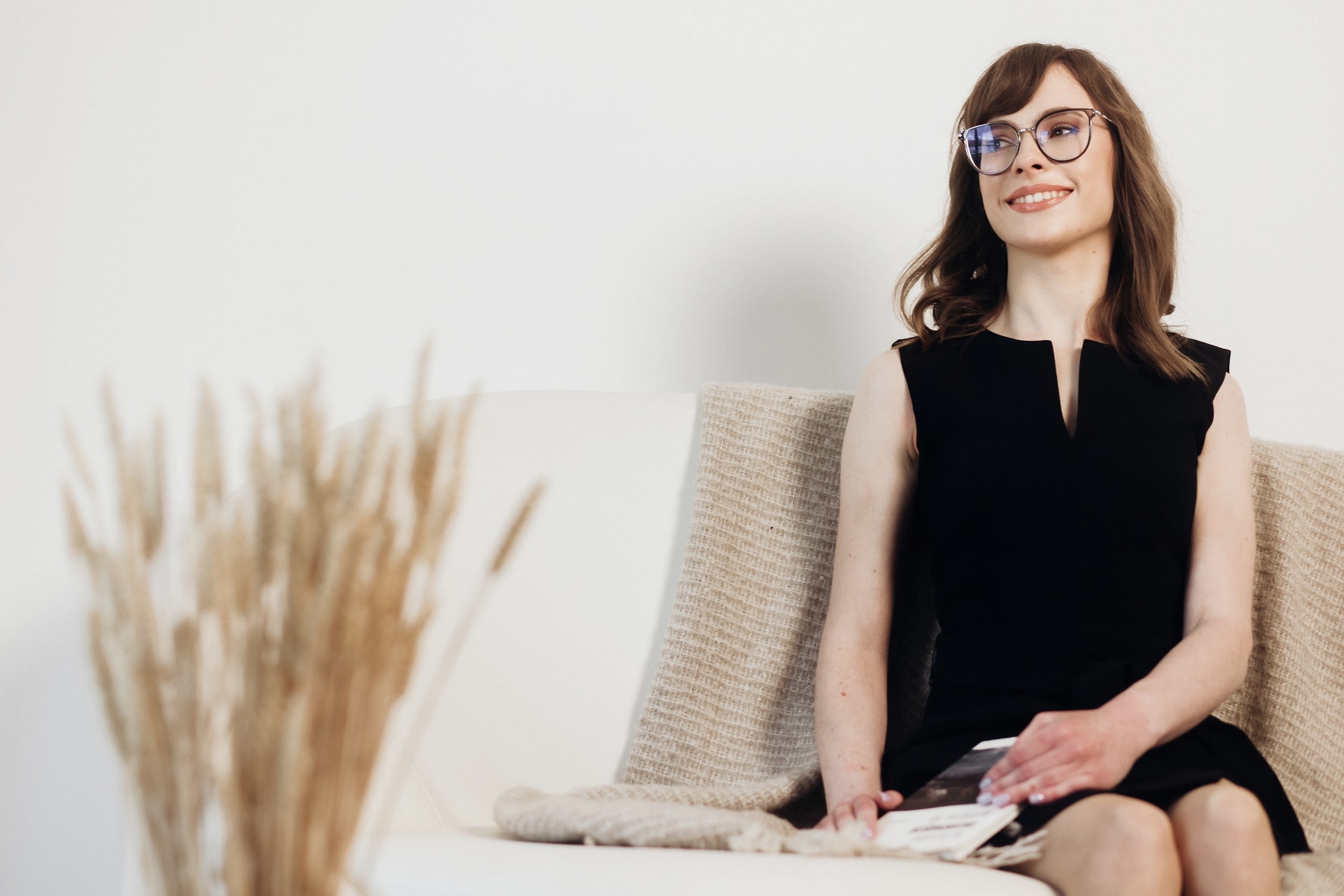
When we were just planning to tell her story, Katia modestly replied that it was easier for her to write about herself than to talk. She keeps a small blog on social networks where she describes her life. There you can find posts about her travels, emotions at certain moments, and conclusions she has drawn. For her, this is a way to preserve the memory of new experiences, people, and places. Katia emphasizes that she keeps a blog primarily for herself, although she would be pleased if the texts supported those who need it.
The girl discovered her writing talent as an adult. Previously, it was a problem to even formulate a few sentences.

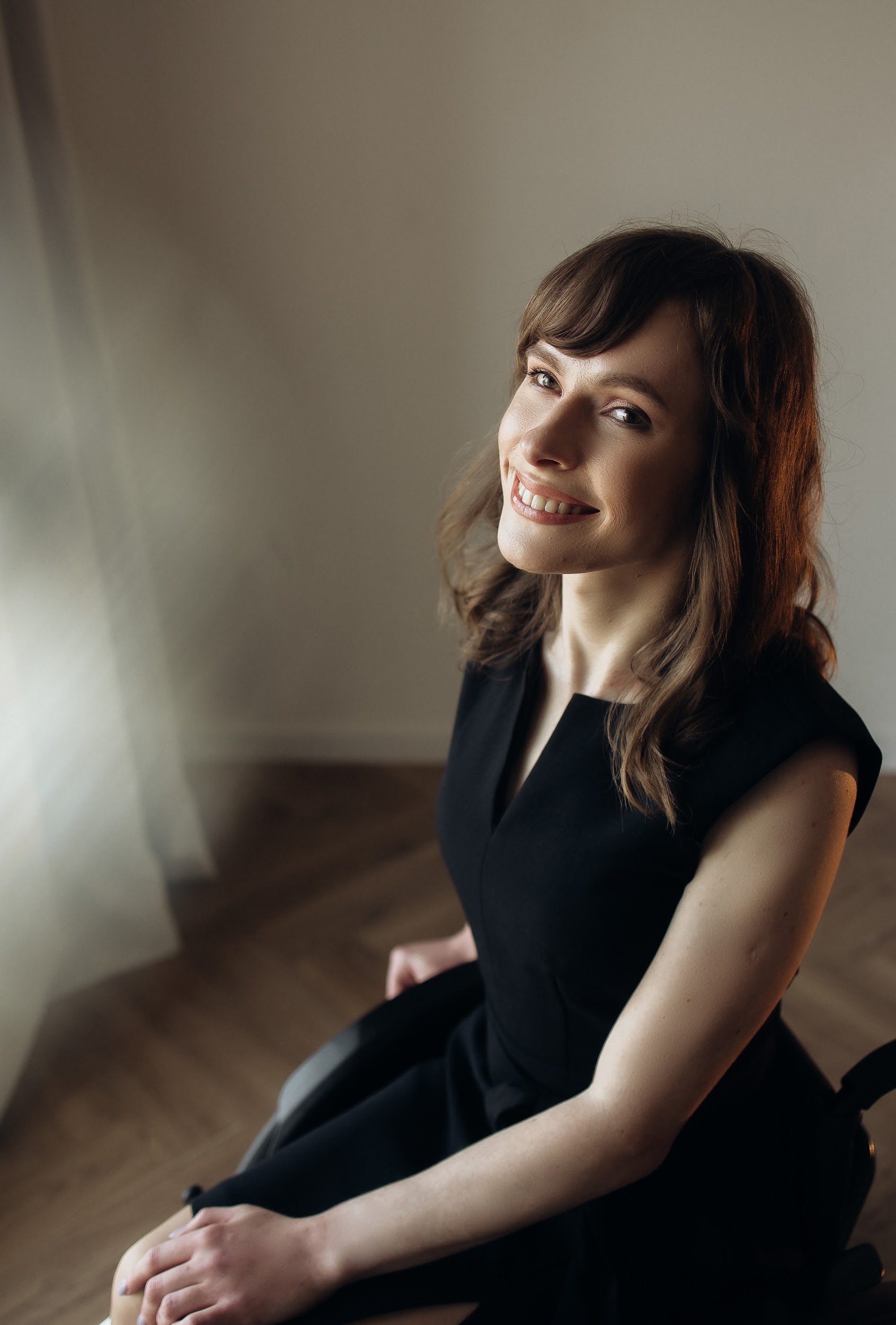
“At school, when Ukrainian or world literature classes gave me the task of writing an essay, it was still a challenge. The situation changed dramatically after one of my trips to rehabilitation, where I stayed for five months. So much happened then that I wanted to describe it. I felt strong and the words came into the text themselves. Then I wondered how I managed it? Then I realized: when important events happen in life, I can describe them and convey the emotions I feel.”
He also likes to take photos and share them with his followers. It’s more of an amateur shoot, but it’s sincere. He captures landscapes, small interesting details he notices, and architecture.
At one point, Katia intended to make the blog thematic and write it regularly. However, she quickly burned out and realized that she didn’t want to turn her hobby into a profession. This is a space for herself and her memories.
“I don’t expect an apology”: about bullying at school
As a child, Katia studied at a comprehensive school. She recalls that in the younger grades everything was fine, her peers treated her normally. But in the senior grades, the situation changed, and not for the better.
“They started insulting me. The one I remember most was one of my classmates who learned about cerebral palsy from the Internet. She ran around the class several times and shouted: “childish girl”. It was very offensive then, I wanted to cry. Now she is subscribed to my page, follows my stories, but that’s all. I don’t expect an apology from her. I don’t need it.” Katia adds that she is very keen for schools to combat bullying as much as possible, because she doesn’t want other children to go through a similar experience or feel “different”.
The mother only recently found out what had happened to her daughter during her studies and couldn’t believe it. The girl didn’t dare tell her before because she wanted to protect her family from the pain.
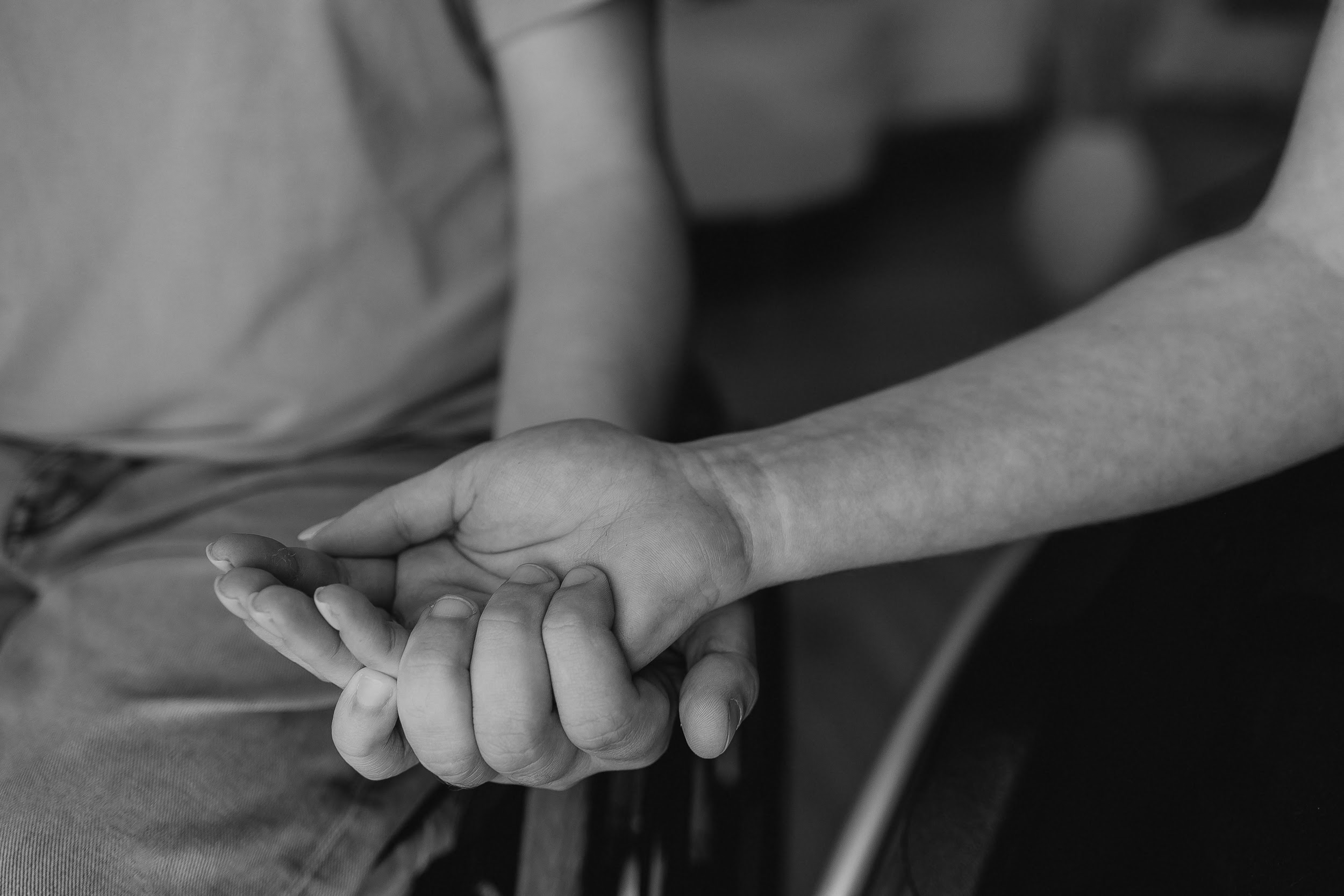
She emphasizes that this behavior of teenagers is cruel and causes suffering to young people with disabilities. She says that this topic is extremely important to her, which is why she is actively interested in human rights and methods of combating bullying.
Do people still lack tact?
Stories that leave unpleasant traces have happened to Katia even in adulthood. In particular, it is not the first time she has caught the curious glances of strangers. It somehow got to the point where she wanted to hide.
Even before the full-scale war, my parents and I went on vacation: the Ukrainian sea, warm air. I really wanted to not think about anything and enjoy the warm sand and water. But I looked around and saw a lot of people around, some of whom were casting sidelong glances. At that moment, Katia wanted to lock herself in her room and stay there until the end of the vacation. In order not to be left alone with her feelings, she wrote about how she was hurting, published it, and decided to use the trip to her health to the maximum.
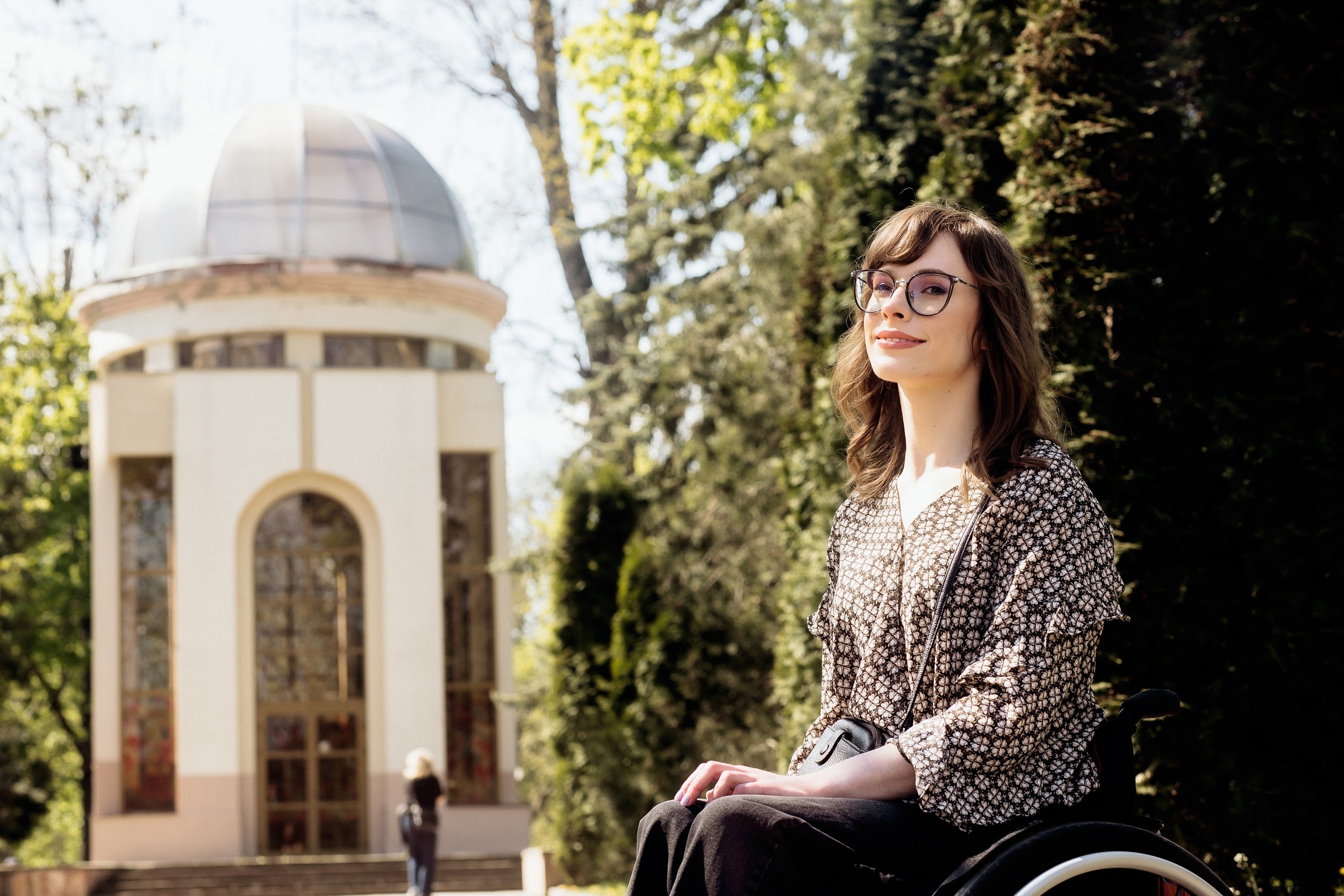
“It was still 2020. Many people said then that they wanted to go to Europe, and I immediately had a thought: what kind of Europe is it if you don’t know how to treat people with disabilities with dignity? When some people start to look at me insolently, I react and directly address them, saying, “Oh, how interesting it is to watch.” They immediately turn away.”
In Ivano-Frankivsk, Katia goes to the city several times a week. Her father usually drives her in his own car. She likes to walk in the park and on the lake. She says that now she observes that there are positive changes: people look at her less, they can approach her and ask if she needs any help. And all this in a tactful and responsive manner.
But Ukraine still has a long way to go, the girl notes. With the support of public organizations, she visited the Czech Republic, France, and Switzerland. The trip to the latter was especially impressive. She says that it was here that she first saw a qualitatively healthy attitude towards people with disabilities. This level should be strived for in Ukraine. It is not only about interaction, but also about physical accessibility: the absence of high curbs, the ability to enter buildings without barriers, etc.
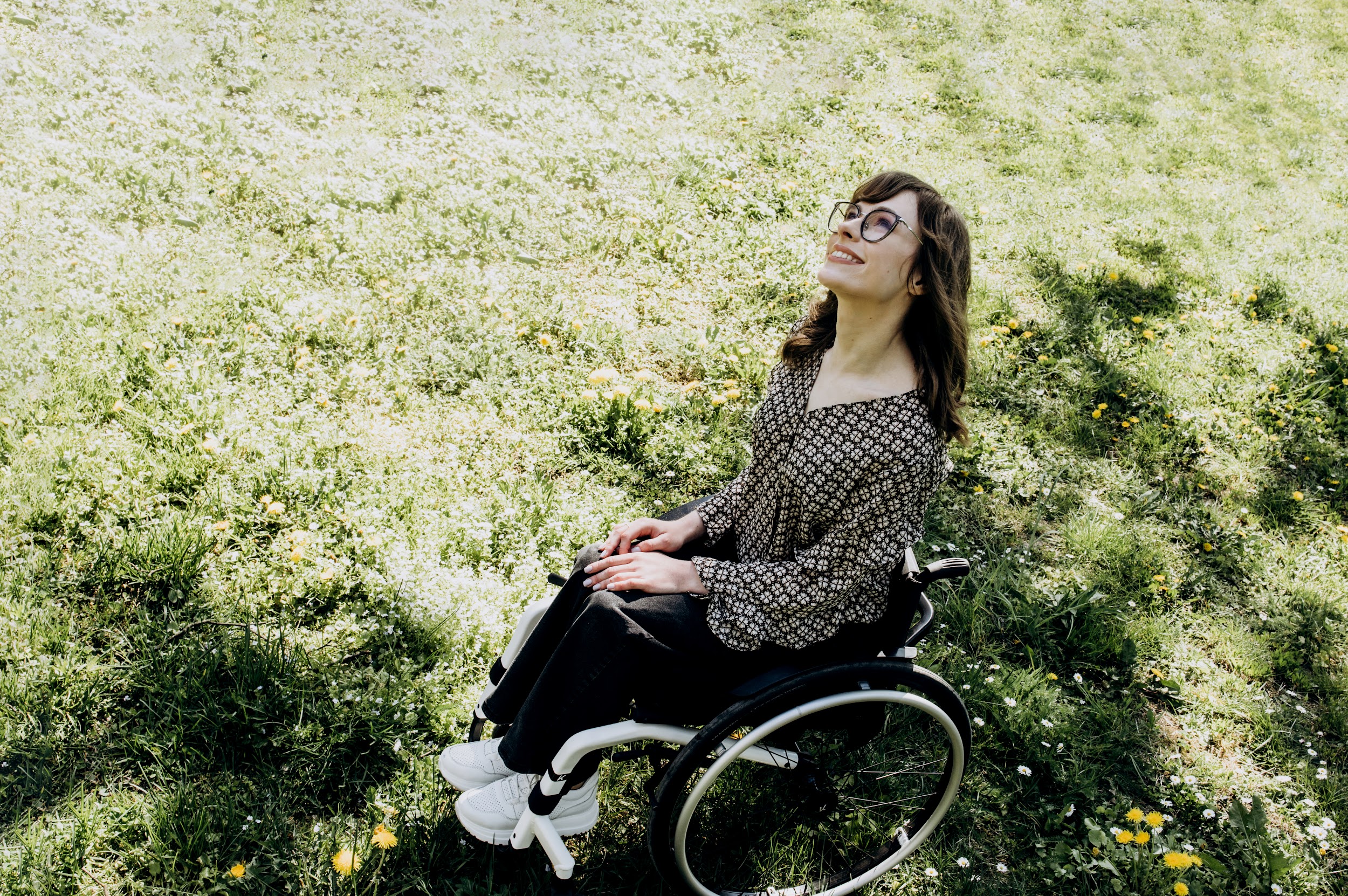
Katia’s support is her parents, younger brother, and friend Vova. She spends most of her time with them. Her loved ones support her, motivate her to be active, move forward, and not give up in the face of difficulties.
Every day after breakfast, the mother does stretching exercises for the girl, followed by a schedule of exercises that need to be repeated a second time in the evening. When there is a chance, they go for a walk with Vova, talk and enjoy the weather.
Rehabilitation helps Katia maintain and even improve her health, but such opportunities are expensive and not so frequent for her anymore. The state allows her to travel once a year.
But these challenges do not scare her. In conclusion, she emphasizes that her small mission is to show others that despite the challenges, you need to live positively and enjoy every moment.
Author: Tetiana Pihurska
This material was produced with the financial support of the German Federal Foreign Office (GFFO), CBM and the European Disability Forum. The views expressed in this material are those of the authors and do not necessarily reflect the position of the funding partners or the European Disability Forum.